
Aoi Umi no Tristia Nanoca Flanka Hatsumei Koubouki
(Like and sharing game for your friends)
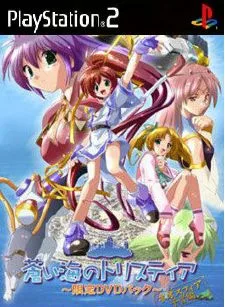
Aoi Umi no Tristia: Nanoca Flanka Hatsumei Koubouki is a 2005 adventure game from Kogado Studio, published in Japan by Nippon Ichi Software. The title translates roughly to "Nanoca Flanka's Invention Factory Diary," and that name tells you most of what you need to know: you follow a young inventor named Nanoca Flanka through a story built around workshop life, mechanical tinkering, and the people who drift into her orbit. If you enjoy narrative-driven Japanese adventure games with a gentle pace and a strong sense of place, this one belongs on your list. You can grab it through the links below and run it through a PlayStation 2 emulator on Windows.
The game ships with multi-language support, which makes it far easier to approach than many Japan-only releases from the same era. Below you'll find the technical details, what the game actually plays like, an honest look at its limitations, and the download options with their password.
Technical Specifications
| Version | 2005 release (estimated; no patch version supplied) |
|---|---|
| File Size | Not specified in source data (estimate: 1-3 GB typical for a 2005 PS2 adventure title) |
| OS | Windows |
| Category | Adventure |
| License | Free |
| Developer | Kogado Studio (published by Nippon Ichi Software) |
| Language | Multi |
| Year | 2005 |
Download Aoi Umi no Tristia (Mega)
What the Game Is and Who It's For
This is not an action game, and it does not pretend to be. Aoi Umi no Tristia sits firmly in the adventure genre, with a structure that leans on dialogue, story progression, and character interaction rather than reflexes. Kogado Studio built a reputation for titles that feel like illustrated storybooks you can steer, and this entry follows that tradition. The subtitle points directly at the protagonist's work: Nanoca Flanka runs an invention workshop, and the narrative grows out of that setting.
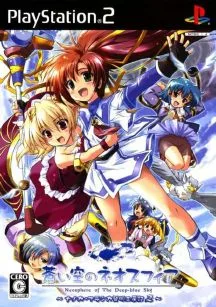
You'll get the most out of it if you like slower, character-first storytelling, appreciate early-2000s Japanese presentation, or have an interest in the studio's wider catalog. If you're looking for fast combat or open-world freedom, this isn't the game for you, and that's a fair thing to know before you download several gigabytes. Fans who finish this one often move on to the sequel, Aoi Sora no Neosphere Nanoca Flanka Hatsumei Koubouki 2, which shifts the setting skyward.
Key Features
- Adventure genre structure: Story-driven progression built around dialogue, events, and character relationships rather than combat.
- Inventor protagonist: The narrative centers on Nanoca Flanka and her workshop, giving the game a distinct identity within the studio's lineup.
- Multi-language support: The release includes multiple language options, which widens access beyond the original Japanese audience.
- Kogado Studio art direction: The 2005 presentation carries the studio's recognizable illustrated style, with character art and backgrounds that hold up as period pieces.
- Published by Nippon Ichi Software: The Japanese release came through a publisher known for a broad catalog of niche titles.
- Emulator-friendly on Windows: You can run the game on a modern PC through PS2 emulation rather than hunting down original hardware.
Gameplay and Storyline
The premise is straightforward in the best way. Nanoca Flanka is an inventor, and the game frames her life around the workshop she operates. Events unfold through conversation and scene-based storytelling, so your time is spent reading, choosing how to respond, and watching the relationships between characters develop. The tone stays warm and lightly comedic rather than dramatic, which fits the "diary" framing in the subtitle.
Because the game was released in 2005 for the PlayStation 2, its design reflects that era. Menus are functional rather than sleek, text boxes carry the bulk of the narrative, and the pacing expects you to settle in for long reading sessions. That's a feature if you enjoy visual-novel-adjacent adventures and a drawback if you don't. The multi-language option softens the barrier considerably, since you aren't forced to work through untranslated Japanese menus to reach the story.
Pros & Cons
- Pros: A complete, story-focused adventure from an established studio; multi-language support improves accessibility; the 2005 art style has genuine charm; the game runs on Windows through emulation; download mirrors include Mega and Google Drive.
- Cons: No official English localization is confirmed by the source data, so expect some language friction depending on your chosen option; the adventure format means limited interactivity; there is no version number or changelog supplied, so you can't verify patch level before downloading; file size isn't published, which makes planning your storage harder; emulator setup requires some patience if you're new to PS2 software.
Version Freshness and Publisher Details
This listing reflects the original 2005 release. No patch version, build number, or changelog accompanies the files, so treat the version field as an estimate rather than a confirmed build. What you can verify is the provenance: Kogado Studio developed the game and Nippon Ichi Software published it in Japan in 2005. Those two names are your best guide to whether the title matches your taste, since both companies have long, documented catalogs you can check independently.
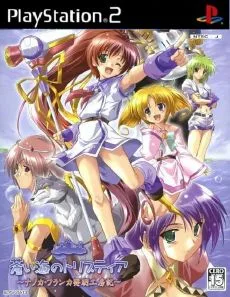
If you want to compare this release against the related entry in the series, the Aoi Umi no Tristia Nanoca Flanka Hatsumei Koubouki page and the free download listing give you additional context on how the files are packaged.
Download Options and Password
Two mirrors are available. Use whichever suits your connection and region. The archive password is vnsharing — you'll need it to extract the files after download.
| Episodes | Link Google | Link Mega | Link 1File |
|---|---|---|---|
| 1 | Download | Download | Download |
| Password | vnsharing |
Download Aoi Umi no Tristia Now
Practical Setup Guidance
This is a PlayStation 2 title, not a native Windows application, so "installing" it means preparing an emulator and loading the game image. Before you download anything, check the compatibility lists so you don't spend an evening troubleshooting a title that runs poorly: the PS3 list is at PSDevWiki for PS3 and the PS4 list at PSDevWiki for PS4. Several games run perfectly, several show minor issues, and others have major problems or won't boot at all — that range is normal for emulation.
If you plan to play on console hardware, the guides below walk through the process:
- Playing PS2 games on PS3: guide here
- Playing PS2 games on PS4: guide here
- Playing PS2 games on PC (Windows, Mac): guide here
On Windows specifically, you'll want a PS2 emulator configured with a BIOS file you've obtained legally, a controller or keyboard mapping that suits a text-heavy adventure, and enough free disk space for both the game image and any save states. Extract the archive with the password above, point your emulator at the image, and save frequently — adventure games with long dialogue scenes punish crashes more than action titles do.
Final Thoughts on Whether to Download
Aoi Umi no Tristia: Nanoca Flanka Hatsumei Koubouki is a niche pick with a clear audience. If you collect Kogado Studio titles, follow Nippon Ichi Software's back catalog, or simply enjoy 2005-era Japanese adventures with multi-language support, the download is worth your time. The lack of a published version number and file size is a real inconvenience, and the emulator dependency adds a step that native PC games don't have. Weigh those against the game's charm and the availability of two working mirrors, and you'll know quickly whether it fits your library.
0 Comments
Be the first to comment!